


If you need a budget upgrade for 1080p Ultra, the Radeon RX 9060 XT gives the most FPS per €, while the GeForce RTX 5050’s the cheapest power‑efficient option. Both beat the older RTX 3060 12GB and RTX 3070 on a performance‑per‑dollar basis, so skip those unless you find a deep discount (deep discount).
Why used GPUs matter for Balkan gamers
New‑part prices in the EU stay high because of VAT and limited stock, so many shoppers turn to the second‑hand market. That said, a used card can be 30‑50 % cheaper than a brand‑new launch, but you still need to know whether the discount translates into real performance (30‑50 % cheaper).
Hard numbers: price, performance and value
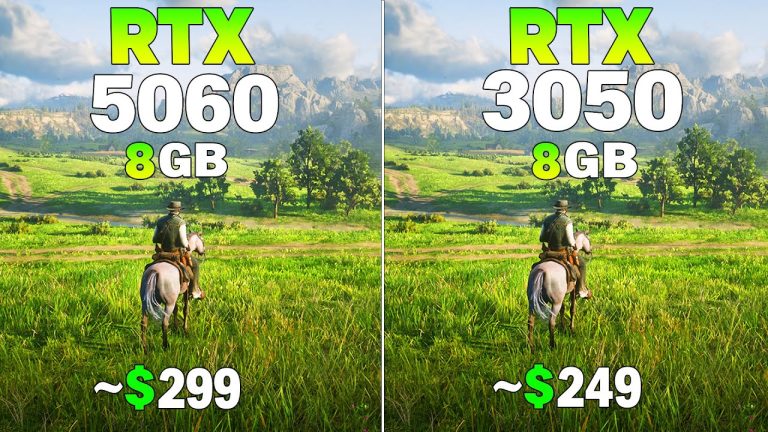
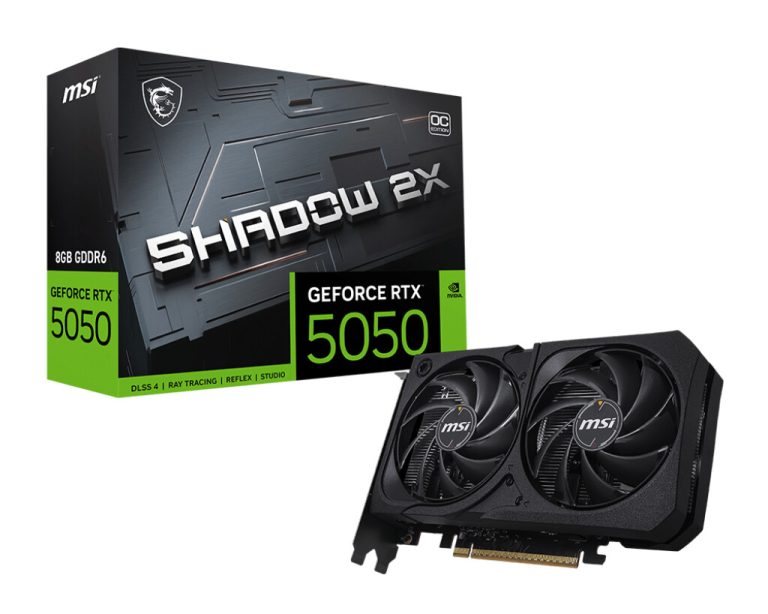
The RTX 5050 lists for €289 in the EU source and $249.99 in the US source. At 1080p Ultra it scores 69.3 FPS source, which works out to about 0.277 FPS per $ (0.277 FPS per $).
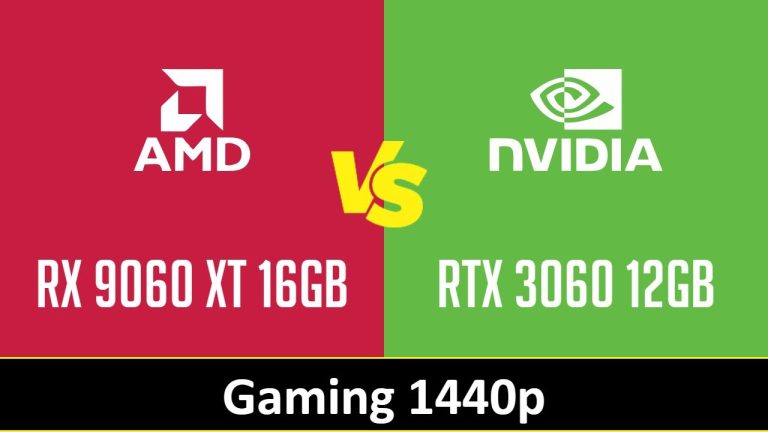
By comparison, the RTX 3060 12GB costs $329.99 source and delivers 61.5 FPS at the same setting source, only 0.186 FPS per $. That’s roughly a 49 % better FPS‑per‑$ ratio for the RTX 5050 (49 % better).
The RX 9060 XT goes for €376 in the EU source and $299.99 in the US source. It hits 93.2 FPS at 1080p Ultra source, which works out to 0.311 FPS per $. (That’s 0.311 FPS per $.) The RTX 3070 is $499.99 source and puts out 87.2 FPS source, only 0.174 FPS per $, making a 79 % gap in performance per dollar.
The RTX 5060 Ti sells for €428 in the EU source and $379.99 in the US source. Its 1080p Ultra score is 100.4 FPS source, which is 0.264 FPS per $. (100.4 FPS at
Performance index per euro
GPU Prix gives each card a performance index out of 100. The RTX 5050 gets 20 points source, the RX 9060 XT 28 points source, and the RTX 5060 Ti 31 points source. If you divide the index by the euro price, you see the most efficient spend per €.
| GPU | EU price (€) | US price ($) | 1080p Ultra FPS | FPS / $ | Index (pts) | Index / € |
|---|---|---|---|---|---|---|
| RTX 5050 | 289 | 249.99 | 69.3 | 0.277 | 20 | 0.069 |
| RX 9060 XT | 376 | 299.99 | 93.2 | 0.311 | 28 | 0.074 |
| RTX 5060 Ti | 428 | 379.99 | 100.4 | 0.264 | 31 | 0.072 |
What to look for when buying used
- Seller reputation. Choose platforms with buyer protection and check recent feedback.
- Warranty transfer. Some manufacturers still honor a limited warranty on second‑hand cards; ask the seller.
- Physical condition. Look for signs of overheating (discolored PCB, missing fans) and request recent stress‑test screenshots.
- Driver support. All three cards are covered by the latest drivers as of October 2026 source, so you won’t be stuck on legacy software.
Hidden costs you might miss
Even a cheap GPU can raise your electricity bill. The RTX 5050 draws about 75 W at load (typical for its class), while the RX 9060 XT and RTX 5060 Ti sit around 100 W. Over a year of 4 hours‑daily gaming that’s roughly €30‑€45 extra in the Balkans, depending on local rates.
Don’t forget you’ll need a compatible power supply (the RTX 5060 Ti often needs a 550 W unit with an 8‑pin connector); if yours is under‑spec you’ll have to spend another €40‑€60.
When a new card still makes sense
If you already own a recent‑generation GPU that hits 60 FPS at 1080p Ultra, the marginal gain from a used RTX 5050 or RX 9060 XT may not justify the expense. In that case, hold onto your current card and wait for a larger price drop, or consider a used workstation GPU that offers more VRAM for the same price (the marginal gain may not justify the expense).
What the data can’t tell you
We have no insight into the exact wear level of individual used cards, so a “like‑new” unit could still have hidden defects. Prices also fluctuate daily; the €289‑€428 range reflects listings on 19 Oct 2026 and may be lower or higher tomorrow. Finally, we can’t predict future driver optimisations that might shift the FPS‑per‑$ balance (prices also fluctuate daily).
Bottom line
If you’re after a budget upgrade at 1080p Ultra, start with a used RX 9060 XT, it gives the highest FPS per € and per $ (it gives the highest FPS per € and per $). The RTX 5050 is a solid second pick if you want a lower power draw or a tighter budget. The RTX 5060 Ti lands in the middle, offering the best raw FPS but at a higher price per performance point. Skip the RTX 3060 12GB and RTX 3070 unless you find them for a deep discount that undercuts the figures above.
I’ve seen a lot of chatter lately. Want more on how today’s price shifts are reshaping the entry‑level market? Read The Worst GPU is Now the Best Option (the worst GPU is now the best option). Need a broader view of the best budget cards? Check The Best Budget GPU 2026 (covers the best budget cards). If you’re debating the RX 9060 XT versus the RTX 3060 12GB (RX 9060 XT vs RTX 3060 12GB), our side‑by‑side analysis is here: Radeon RX 9060 XT vs RTX 3060: Is the Upgrade Worth It? (the upgrade question is addressed).
1 thought on “The Real Deal on Used GPU Sales: Discounts and Performance”
Comments are closed.