

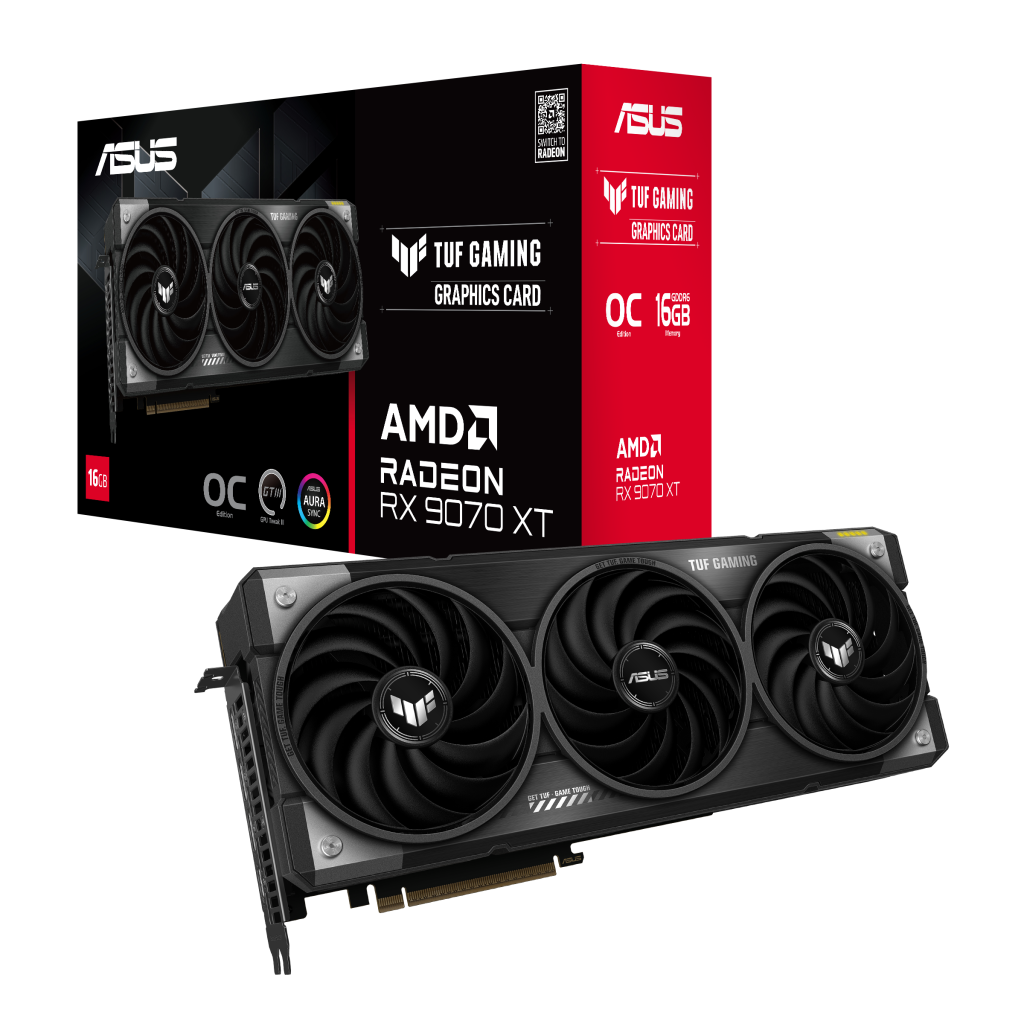
Verdict: The Radeon RX 9070 XT isn’t the hidden gem its name suggests – it costs about 22 % more than the base RX 9070 but only delivers roughly 15 % higher performance, meaning you pay about €0.94 extra per performance‑index point.
If you’re hunting every euro for a 1080p build in Serbia, Croatia, Bulgaria or the wider EU, the XT’s modest FPS boost isn’t worth the steep price premium.
What you’re actually paying for
The cheapest new XT on the market right now is the Asus Prime RX 9070 XT 16 GB OC at €879.9. The base RX 9070’s lowest EU price sits at €719. That’s a €160.9 gap for only a 7‑point jump in the GPU Prix performance index (52 vs 45) – ≈ €0.94 more per index point than the base chip (≈ €16.9 / point vs €15.98 / point).
Higher‑end XT models sit between €899 (ASRock Challenger) and €1 039 (Gigabyte Aorus Elite), pushing the premium to €180‑€320 for the same 7‑point index gain.
Raw performance vs. Cost
At 1080 p Ultra the XT averages 156.6 FPS, while the base chip delivers 140.9 FPS. That’s a 15.7 FPS uplift for an extra €161 (average price difference €880 – €719), or roughly €10.3 per additional frame.
When ray tracing is enabled the gap narrows: the XT reaches 77.8 FPS versus the base’s 67.6 FPS. The €161 premium now translates to about €15.8 per extra FPS, a steeper cost for a feature many budget gamers use sparingly.
Price‑per‑performance snapshot
| Model | EU price (avg.) | Performance index | 1080 p Ultra FPS | Ray‑trace FPS | € / index point | € / extra FPS (1080 p) |
|---|---|---|---|---|---|---|
| RX 9070 (base) | €719 | 45 | 140.9 | 67.6 | €15.98 | – |
| RX 9070 XT (cheapest) | €879.9 | 52 | 156.6 | 77.8 | €16.92 | €10.3 |
| RX 9070 XT (most expensive) | €1 039 | 52 | 156.6 | 77.8 | €20.0 | €15.8 |
Should you upgrade?
If you already own a non‑XT RX 9070, the upgrade only makes sense if you need every extra frame for competitive 1080 p play and you’re ready to spend another €160‑€320. For most Balkan gamers, that money stretches further on a faster CPU, a larger SSD, or a higher‑capacity PSU, all of which improve real‑world FPS without the steep price‑per‑frame penalty.
Looking at the broader market, the Radeon RX 7600 sells well below €350 and offers a performance index around 48, giving a far better € / index‑point ratio. If you can find a used RX 9070 XT for under €600, the math improves dramatically, but new‑card shoppers should treat the XT as a “nice‑to‑have” rather than a “must‑have”.
Alternative paths for budget builds
For a sub‑€500 upgrade, pairing the base RX 9070 with a modest CPU bump (e.g., a Ryzen 5 5600) and a 16 GB DDR4 kit yields a balanced 1080 p experience that beats the XT’s marginal FPS gain while keeping total platform cost under €800. This approach aligns with the Top GPU Upgrades for 2026 guide, which stresses total system cost over isolated GPU spend.
Used‑market hunting can also pay off. The RX 9070’s price trend is up +5.6 % (source), while the XT’s +7.7 % rise suggests a slower depreciation curve, meaning you’ll likely lose more value if you resell later.
What the data can’t tell you
Benchmarks don’t capture driver quirks, game‑specific optimisations, or long‑term power‑draw differences that affect electricity bills. We also lack real‑world pricing for used cards, regional stock shortages, and the impact of upcoming driver updates on ray‑tracing efficiency. Those factors could swing the value equation either way.
Bottom line
For gamers in the Balkans and the wider EU who are counting every euro, the RX 9070 XT’s modest performance bump is outweighed by its steep price premium. Stick with the base RX 9070, explore cheaper alternatives like the RX 7600, or wait for a solid used XT deal before splurging.
5 thoughts on “Radeon RX 9070 XT Review: Not a Budget Gem”
Comments are closed.