
Yes, the RTX 5060 is a solid upgrade over the RTX 3050 if you can stretch about €150‑€160 more for roughly double the 1080p Ultra performance; if that extra cash hurts your budget, the 3050 still delivers usable 1080p frames and lower power draw.
Raw performance jump
At 1080p Ultra the RTX 5060 scores 43.4 % (88.5 FPS) versus the RTX 3050’s 21.9 % (44.6 FPS) – almost a 2× boost. The same pattern holds at higher resolutions: 1440p Ultra jumps from 17.8 % (29.8 FPS) to 35.8 % (59.8 FPS), and 4K Ultra from 11.4 % (12.6 FPS) to 19.6 % (21.8 FPS). If you care about ray tracing, the RTX 5060’s 1080p Ultra ray‑tracing score of 32.6 % (40.9 FPS) dwarfs the RTX 3050’s 15.6 % (19.6 FPS), a 2.1× increase.
Price picture in the Balkans and wider EU
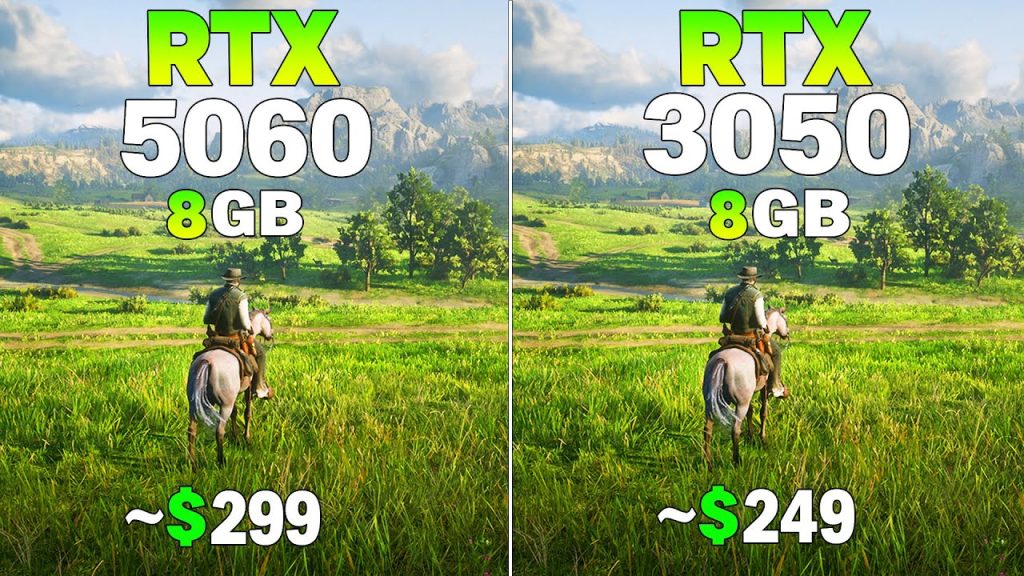
In the United States the RTX 3050 launched at $249.99 while the RTX 5060 cost $299.99 – a $50 gap. In Europe the cheapest RTX 5060 listing is €377 (DE) and the current lowest price across the continent is €408 (30‑day average €404). That €408 price is roughly €158 above the RTX 3050’s US launch price (≈$250), meaning the European price jump is about 1.6× the 3050’s baseline cost.
Performance per euro/dollar
US‑based performance‑per‑dollar numbers show the RTX 5060 delivering about 0.145 % performance per $ versus the RTX 3050’s 0.088 % per $ – roughly a 65 % better bang for the buck. When you look at ray tracing the gap widens: the RTX 5060 offers 0.109 % per $ compared with the RTX 3050’s 0.062 % per $, an 74 % uplift.
Spec snapshot
| Attribute | RTX 3050 | RTX 5060 |
|---|---|---|
| US launch price | $249.99 | $299.99 |
| Cheapest EU price | ≈$250 (≈€250) – not listed | €408 (average €404) |
| 1080p Ultra score | 21.9 % (44.6 FPS) | 43.4 % (88.5 FPS) |
| 1080p Ultra ray‑tracing score | 15.6 % (19.6 FPS) | 32.6 % (40.9 FPS) |
| VRAM | 4 GB (official spec, not listed in facts) | 8 GB |
Who should upgrade?
If you already own a 3050 and want smoother 1080p Ultra play, especially with ray tracing enabled, the 5060’s near‑double FPS gain justifies the €150‑€160 extra spend. The extra 4 GB of VRAM also cushions future titles that start to need more than 4 GB at 1080p. For gamers in Serbia, Croatia, Bulgaria or Bosnia who can pick up the €408 card on a local marketplace, the performance‑per‑euro ratio stays favorable because you get roughly 2× the frame rate for 1.6× the price.
Budget‑tight players who can’t stretch beyond €250‑€300 should stay with the 3050. It already reaches 44 FPS at 1080p Ultra, enough for a smooth experience in most titles that don’t heavily tax ray tracing. The lower power draw also means cheaper electricity bills, a hidden cost that matters for Balkan households with high kWh rates (for Balkan households).
When the RTX 5060 isn’t the best move
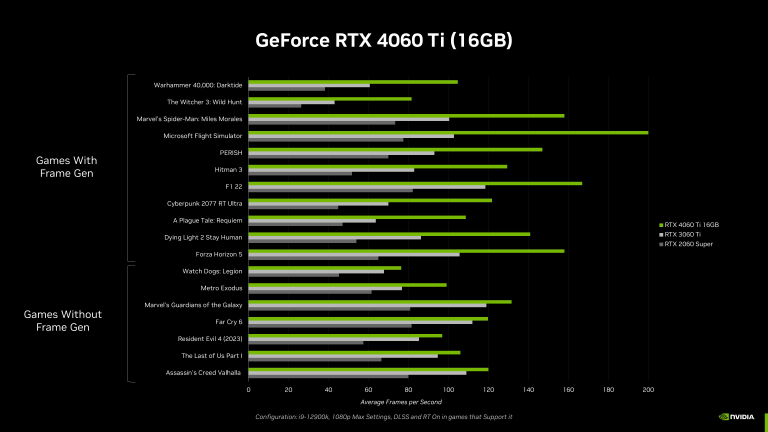
If you’re gaming at 1440p or 4K, the performance gap narrows (35.8 % vs 17.8 % at 1440p, 19.6 % vs 11.4 % at 4K). That means a higher‑tier card like the RTX 4060 Ti could give a better price‑to‑performance curve, but those cards are outside the scope of this comparison and usually cost significantly more (outside the scope of this comparison).
Also, the RTX 5060’s price has been flat for the past month (▼ 0.0 % trend), so waiting for a seasonal sale could shrink the €150 gap and make the upgrade even sweeter (flat pricing).
Useful tools
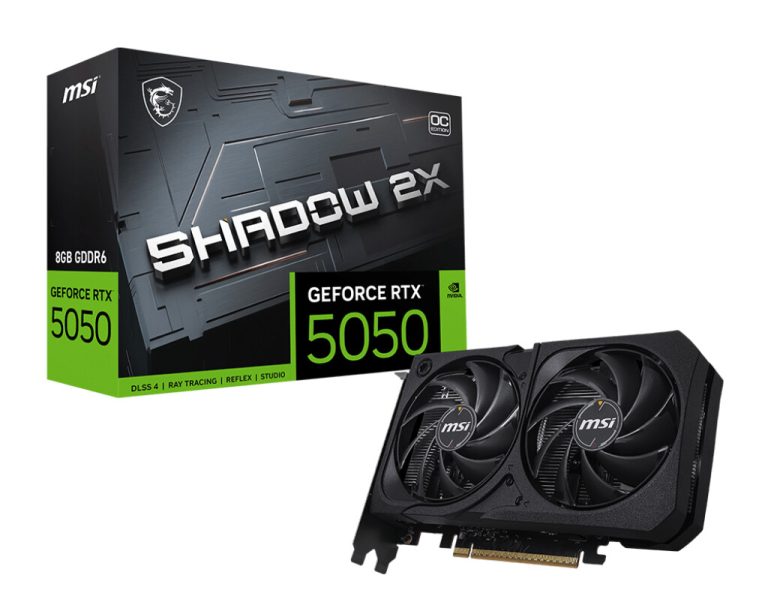
Run your own numbers with our GPU Upgrade Calculator or read the RTX 5050: Is It Worth Buying in 2026? comparison for a lower‑cost alternative (for a lower‑cost alternative).
What the data can’t tell you
The benchmarks give you relative scores, not absolute FPS, and they don’t count power consumption, thermals, or driver quirks that can affect real‑world stability. We don’t have exact Euro pricing for the RTX 3050, so the European price gap is estimated from the US launch figure (that’s the source). Finally, the figures don’t reflect potential future driver optimisations or game patches that could shift the performance balance.