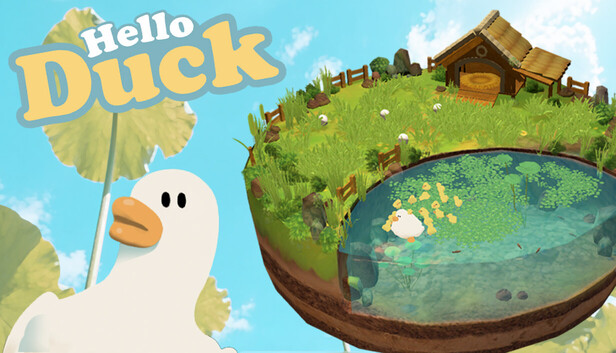


Mastering the Basics: Feeding, eggs, and Coins Hello Duck is an idle game that rewards patience and strategy. To set yourself up for long-term success, focus on feeding the duck regularly, collecting eggs efficiently, and exploring the island’s features during your first hour. This guide cuts through the fluff and gets straight to the actions that matter. Quick Context
Key angle: Hello Duck, hello Duck First-Hour, hello and Duck. This section gives the quick context before the deeper breakdown.
Feeding, eggs, and Coins: The Core Loop Explained Feed the duck every 10 minutes to keep productivity high. Collect eggs promptly to avoid clutter. Coins earned early should go toward upgrades that boost foraging speed or stamina, not decorations. Understanding this core loop is essential for Hello Duck players aiming to avoid burnout and maximize efficiency. Over time, you’ll notice that consistent feeding and egg collection create a compounding effect, allowing your duck to generate resources faster as upgrades accumulate. Don’t Overfeed: Balance is Key
Overfeeding leads to surplus resources and slower progress. Stick to a schedule – feed every 10 minutes, no more. Let the duck’s stamina recover between sessions. Many new players mistakenly believe that feeding more often accelerates growth, but this leads to wasted coins and a sluggish duck. The game’s mechanics are designed so that the duck’s stamina regenerates over time, making frequent feeding counterproductive unless you’re in a critical phase like egg collection. Resource Management in the Early Game
Early coins are scarce. Prioritize upgrades that increase foraging range or egg yield. Decorations and cosmetic items can wait until you’ve maxed out core upgrades. In Hello Duck, early-game upgrades like the ‘Foraging Range Expansion’ or ‘Egg Yield Boost’ are non-negotiable for long-term success. These upgrades unlock new areas of the island and increase the number of eggs collected per session, which directly impacts your ability to generate coins for future investments. Monitor Health, not Just Stats
The duck’s health bar is a red flag. If it drops below 50%, pause the game and let it recover. A sick duck can’t forage or collect eggs efficiently. Ignoring health is a common pitfall in Hello Duck, as players often focus on stats like stamina or foraging speed while neglecting the duck’s overall well-being. A healthy duck is the foundation of all progress, and neglecting it can lead to significant setbacks later in the game. Exploration in Hello Duck: What to Do in the First Hour
Map out the island’s initial zones. Locate all grass patches, identify expansion points, and note where new upgrades unlock. Don’t skip this step – early exploration saves time later. Exploration in Hello Duck is critical because it reveals hidden upgrades and resource nodes that are not immediately visible to new players. For example, the first expansion point might be buried behind a dense cluster of grass, and missing it could delay your progress by hours. Auto-Play: Use It Wisely
Enable auto-play for idle periods, but check in every 30 minutes. Manual control gives better results early on, especially when the duck’s stamina is low. In Hello Duck, auto-play is best used during periods when you’re away from your device, but it’s not a substitute for active management during the first hour. The game’s AI is less efficient than manual control, so relying on it too heavily can lead to missed opportunities. Time Management for Idle Players
Set a schedule: 10 minutes feeding, 5 minutes collecting eggs, 5 minutes checking health. Stick to it. Consistency beats sporadic, intense sessions. Time management in Hello Duck is about creating a rhythm that aligns with the game’s natural cycles, ensuring that you’re always making progress without overexerting the duck. This rhythm becomes even more important as the game scales, when the duck’s stamina and health require more careful attention. Return Later? Set Triggers
Use the game’s reminder system. Set alerts for when the duck’s health drops or when eggs reach a certain count. This keeps you informed without constant checks. Setting triggers in Hello Duck is a proactive way to ensure you’re never caught off guard by a sudden drop in productivity or an unexpected resource surplus. These alerts can be customized to fit your playstyle, making the game more accessible for busy players. Early Game Pitfalls to Avoid
Ignore these traps: overfeeding, buying cosmetics first, and skipping exploration. Each costs progress. Stick to the core loop and watch your duck thrive. Early-game pitfalls in Hello Duck often stem from a lack of understanding of the game’s core mechanics, such as the importance of stamina recovery or the long-term benefits of certain upgrades. Learning from these mistakes early on can save you countless hours of frustration later. Why Decorations Are a Waste Early On
Decorations don’t boost productivity. Save coins for upgrades that increase foraging speed, stamina, or egg yield. A productive duck outpaces a decorated island any day. In Hello Duck, decorations are a common distraction for new players, but they offer no tangible benefits in the early stages of the game. Focusing on core upgrades ensures that your duck remains productive and healthy, which is the foundation of all progress. Community Tips for New Players
Check Steam forums for early-game strategies. Players often share optimal upgrade orders and time-saving tricks. Don’t rely on tutorials – community insights are faster and more practical. Community tips in Hello Duck often highlight overlooked upgrades or strategies that aren’t covered in official guides, such as the best order to unlock certain features or how to maximize egg yields during specific times of day. Engaging with the community can provide a real difference, especially for players who are new to the game. Link to Related Section on This Site
[Insert internal link to a related guide on this site, such as ‘Advanced Strategies for Hello Duck Players’ or ‘Maximizing Resource Efficiency in Hello Duck’]. This guide provides additional insights into optimizing your gameplay beyond the first hour. Conclusion
By following these strategies, you’ll set yourself up for long-term success in Hello Duck. Remember, consistency, exploration, and smart resource management are the keys to mastering this game. Whether you’re a casual player or a dedicated fan, understanding the core mechanics of Hello Duck will ensure that you’re always making progress and avoiding common pitfalls. ✅ Verdict
Hello Duck thrives on simplicity. Focus on feeding, upgrading, and exploring to set yourself up for long-term progress. Don’t waste early resources on cosmetics – keep the duck healthy and productive. 🔗 Related ArticlesMastering conan exiles coal farming strategies for Success
ASUS ROG Crosshair 2006 X870E Review: Retro Meets Modern
forza horizon 6 SteamDeck Optimization: Achieve Near-infinite frame rates
007 First Light RTX Bundle: A complete Review
Hello Duck Review: A Deep Dive into the Idle Game Phenomenon