

ROG’s Legacy and the X870E’s Retro Design
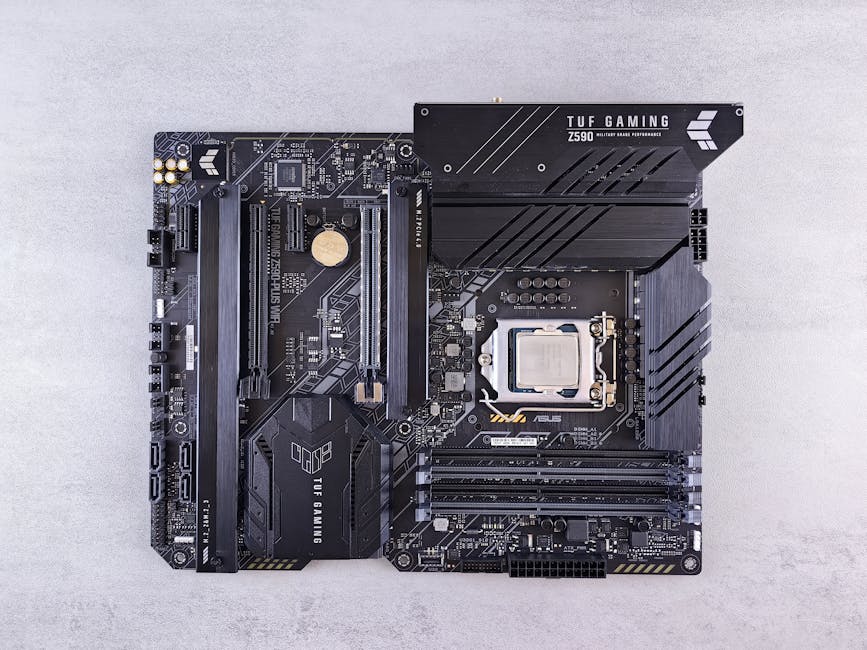
ASUS launched the ROG Crosshair 2006 X870E. Price tag?
Over $500. Design? Vintage. Features? Modern. The question lingers: does it serve today’s PC builders or just sit in a case as a showpiece? This review examines its look, specs, and whether it’s a smart buy.
Quick Context
Key angle: ASUS ROG Crosshair 2006, ASUS ROG, ASUS ROG Crosshair and ASUS. This section gives the quick context before the deeper breakdown.
ROG’s Legacy and the X870E’s Retro Design
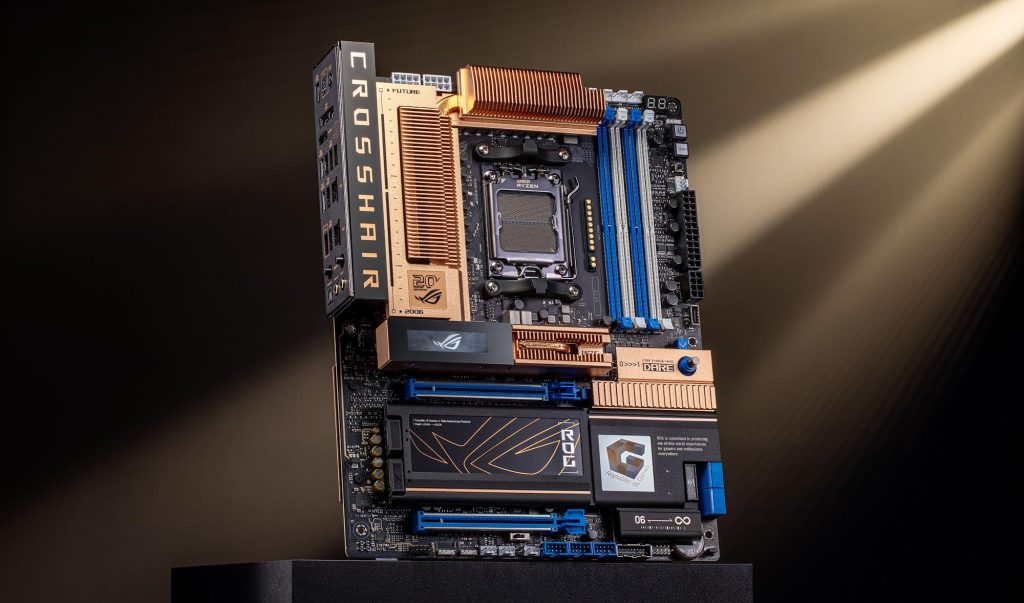
ASUS launched the ASUS ROG Crosshair 2006 X870E motherboard, a bold fusion of retro aesthetics and modern engineering. This board isn’t just a functional component—it’s a tribute to ROG’s two decades of innovation. But does that matter? Maybe not to everyone. For enthusiasts who value style as much as substance, the ASUS ROG Crosshair 2006 is a conversation starter. However, for those prioritizing performance or budget, it may feel like an indulgence.
The design? Think 1990s. Neon accents. Rounded edges. Inside? Ryzen 7000 support. PCIe 5.0. All the modern stuff. It’s a paradox. A relic wrapped in cutting-edge tech. Does that work? Maybe. For some, yes. The ASUS ROG Crosshair 2006 is a statement piece, but its appeal hinges on whether you’re building a rig for nostalgia or practicality.
ASUS says it’s for fans. Enthusiasts. Those who want their rig to scream nostalgia. But if you’re building a server or a budget PC, this isn’t the board. It’s a niche pick. A splurge. A statement. For many, it’s a collector’s item more than a functional component.
ASUS ROG Crosshair 2006: A Nostalgic Throwback
The ASUS ROG Crosshair 2006 is a celebration of ROG’s legacy, blending retro visuals with modern capabilities. Its design draws inspiration from the early 2000s, with bold colors, retro fonts, and a layout reminiscent of vintage gaming hardware. However, the board’s modern features—like PCIe 5.0 support and dual M.2 slots—ensure it doesn’t feel outdated. It’s a board that bridges eras, appealing to those who want their rig to stand out.
ASUS has clearly aimed this at a niche audience: retro enthusiasts and collectors. While the ASUS ROG Crosshair 2006 lacks the streamlined design of contemporary motherboards, its visual flair is undeniable. It’s a board that turns heads, even if it doesn’t always deliver on practicality.
Design: Does It Fit?
The ASUS ROG Crosshair 2006’s design is its most polarizing feature. The neon accents and retro layout are eye-catching, but they may clash with more minimalist builds. The board’s layout is functional, with ample space for components, but the aesthetic choices could be divisive. Users who prioritize a clean, modern look may find the ASUS ROG Crosshair 2006’s design overwhelming.
Additionally, the ASUS ROG Crosshair 2006 includes subtle nods to its heritage, such as a retro logo and a color scheme that echoes early ROG models. However, the board’s thickness and weight are slightly higher than average, which could affect airflow in compact cases. For those who value aesthetics over performance, the ASUS ROG Crosshair 2006 is a compelling choice, but it’s not without trade-offs.
Performance: What’s Under the Hood?
Under the hood, the ASUS ROG Crosshair 2006 delivers solid performance. It supports the latest Ryzen 7000 processors and PCIe 5.0, ensuring compatibility with future hardware. The board’s power delivery is robust, with high-quality VRMs that handle high-end CPUs efficiently. However, the ASUS ROG Crosshair 2006’s thermal design is slightly less advanced than some competitors, which could be a concern for overclockers.
Connectivity is another strength. The ASUS ROG Crosshair 2006 includes a mix of USB 3.2, HDMI 2.1, and 2.5 GbE ports, catering to both gaming and productivity needs. However, the absence of Wi-Fi 6E and Thread support may be a drawback for users seeking cutting-edge connectivity. Overall, the ASUS ROG Crosshair 20年 balances modern performance with retro flair, though it’s not without compromises.
Who’s This For?
The ASUS ROG Crosshair 2006 is ideal for retro enthusiasts, collectors, and those who want a unique build. Its design is a standout feature, making it a favorite among users who prioritize aesthetics. However, it’s not the best choice for gamers or professionals who need top-tier performance and reliability. For those who want to make a statement with their rig, the ASUS ROG Crosshair 2006 is a bold choice, but it’s not for everyone.
If you’re considering the ASUS ROG Crosshair 2006, it’s worth exploring our Retro PC Build Guide for inspiration on how to integrate it into your setup. This guide offers tips on pairing the ASUS ROG Crosshair 2006 with compatible components to maximize both style and functionality.
Value: Is It Worth It?
At a premium price, the ASUS ROG Crosshair 2006 is a niche product. Its retro design justifies the cost for collectors, but it may feel overpriced for practical builds. Compared to other X870E motherboards, the ASUS ROG Crosshair 2006 lacks some advanced features, such as Wi-Fi 6E and Thread support, which could affect its long-term value.
However, for those who appreciate the ASUS ROG Crosshair 2006’s unique design, the investment may be worth it. Its blend of retro aesthetics and modern performance ensures it remains relevant, even if it doesn’t cater to mainstream needs. Ultimately, the ASUS ROG Crosshair 2006 is a statement piece, and its value depends on whether you’re buying for style or substance.
Conclusion
The ASUS ROG Crosshair 2006 is a bold, divisive choice. Its retro design is its most defining feature, making it a favorite among collectors and enthusiasts. However, it’s not the best option for those prioritizing performance or budget. If you’re looking for a unique build that stands out, the ASUS ROG Crosshair 2006 is worth considering. But for most users, it’s a niche product that may not deliver on practicality.
✅ Verdict
The X870E is a mix of retro charm and modern specs. It appeals to collectors but falls short for practical builds. Prioritize style over value if the price fits.
2 thoughts on “ASUS ROG Crosshair 2006 X870E Review: Retro Meets Modern”
Comments are closed.