

optimizing dead Space for PC: A performance guide
Dead Space is a classic survival horror game that still holds up today, but its PC performance can be a letdown. If you're experiencing lag, crashes, or poor frame rates, don't worry – we've got you covered. here, we'll walk you through the best performance fixes and optimization techniques to get the most out of your Dead Space experience on PC.
Understanding Dead Space System Requirements

Before we getting into the optimization guide, it’s essential to understand the system requirements for Dead Space. The game recommends a minimum of 2 GB RAM, 8 GB of disk space, and a DirectX 9-compatible graphics card. However, these specs are outdated, and you’ll need a more powerful rig to run the game smoothly at higher settings.
For a more enjoyable experience, consider upgrading to at least 8 GB RAM, a quad-core processor, and a mid-range graphics card like the NVIDIA GeForce GTX 1660 or the AMD Radeon RX 5600 XT. Keep in mind that these specs are still relatively affordable, with prices starting from around €200 for a used GPU.
Basic Optimization Techniques
Start by updating your graphics drivers to the latest version. This can significantly improve performance, especially if you’re using an older GPU. You can download the latest drivers from the official NVIDIA or AMD websites.
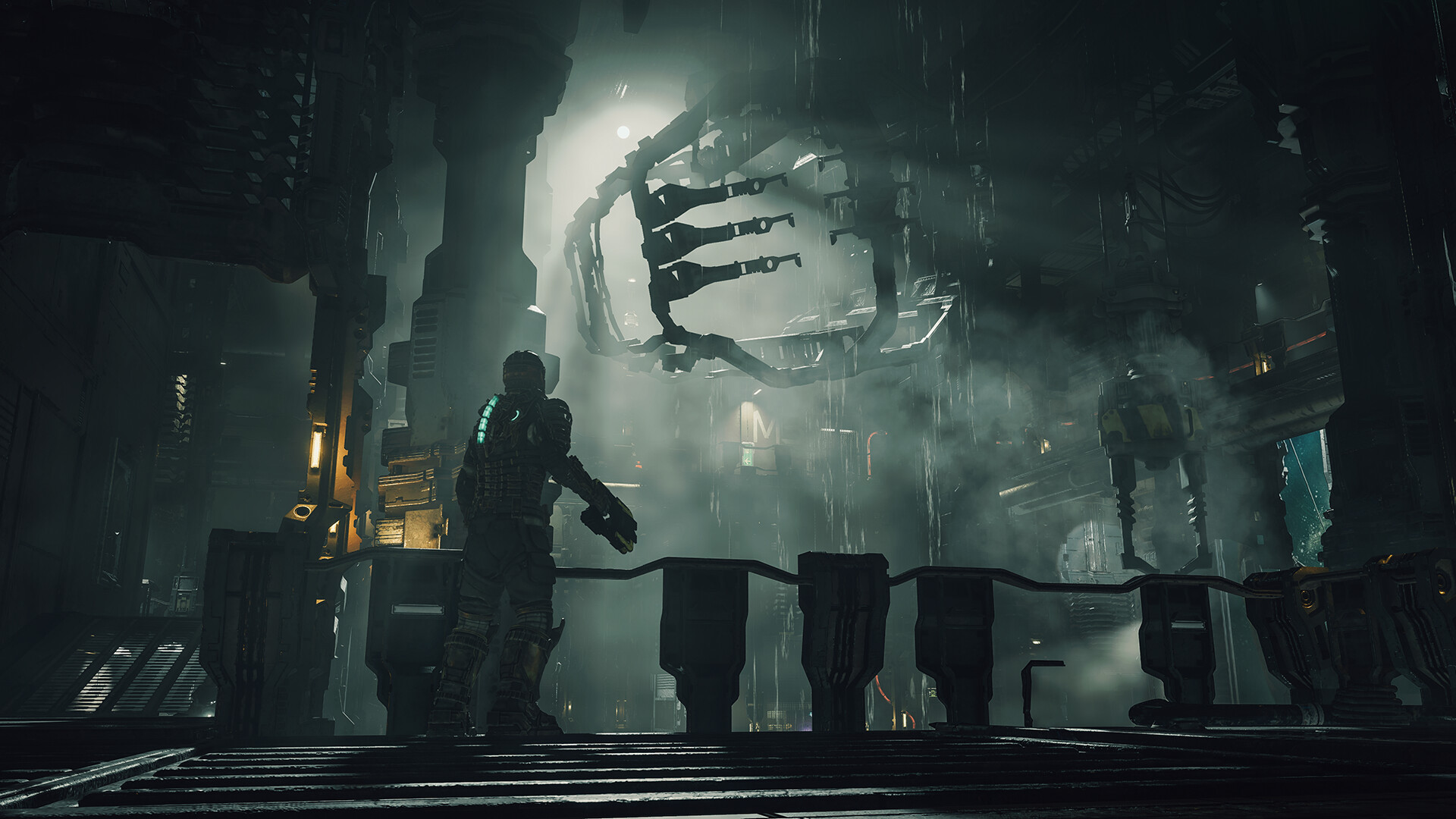
Next, adjust your in-game graphics settings to find the perfect balance between quality and performance. Turn down or disable settings like motion blur, depth of field, and anti-aliasing to reduce the graphics load. You can also try reducing the resolution or switching to a lower graphics preset.
Advanced Optimization Techniques
For more advanced users, consider tweaking your graphics card settings using tools like MSI Afterburner or AMD Radeon Software. These tools lets you adjust settings like GPU clock speed, memory clock speed, and fan speed to squeeze out extra performance.
You can also try using third-party optimization tools like Dead Space Config Editor or PCGW to tweak game-specific settings and improve performance. However, be cautious when using these tools, as they can potentially cause instability or crashes if not used correctly.
Comparison of Graphics Cards
| Graphics Card | Price (EUR) | Performance |
|---|---|---|
| NVIDIA GeForce GTX 1660 | €200 | High |
| AMD Radeon RX 5600 XT | €250 | Very High |
| NVIDIA GeForce RTX 3050 | €400 | Ultra High |
As you can see from the comparison table, the NVIDIA GeForce GTX 1660 offers the best balance between price and performance, making it an excellent choice for budget-conscious gamers.
Who Should Upgrade and Who Should Wait
If you’re currently using an older GPU like the NVIDIA GeForce GTX 960 or the AMD Radeon R9 280, it’s highly recommended that you upgrade to a more modern GPU to enjoy a smoother gaming experience.
However, if you’re using a more recent GPU like the NVIDIA GeForce RTX 2060 or the AMD Radeon RX 6700 XT, you may not need to upgrade immediately, as these GPUs can still handle most modern games at high settings.
What It Means
Overall, optimizing Dead Space for PC requires a combination of basic and advanced techniques. By understanding the system requirements, updating your graphics drivers, adjusting in-game settings, and using third-party optimization tools, you can significantly improve your gaming experience. Remember to consider your budget and choose a graphics card that offers the best balance between price and performance.
✅ Verdict
With these tweaks, you can enjoy a smoother Dead Space experience on your PC.