

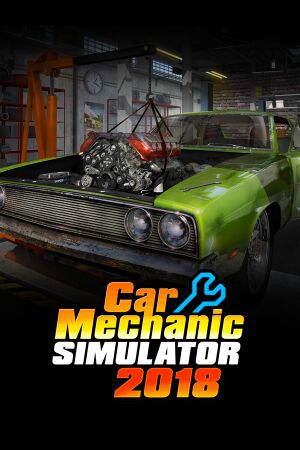
Graphics engines are a double-edged sword – they deliver stunning visuals but demand serious computational power. Think of them as the high-performance sports cars of gaming tech.
Car Mechanic Simulator 2018 is no exception, requiring a decent processor (Intel Core i3-2100 or AMD equivalent) and at least 4 GB of RAM to run smoothly. Why? Because physics rendering, animations, and other complex tasks need CPU resources galore. More RAM is better, with 8 GB or more providing a significant performance boost – especially when running multiple programs simultaneously.
System Requirements
The system requirements for Car Mechanic Simulator 2018 are flexible but one thing’s certain: if you’re also playing games like Euro Truck Simulator 2 or Farming Simulator 2017, you’ll need serious power to run it smoothly. A dedicated graphics card with at least 1 GB of video memory is crucial – don’t even think about running this game on integrated graphics.
But here’s the thing: With an NVIDIA GeForce GTX 1060, you can lower the resolution to make Car Mechanic Simulator 2018 run better without sacrificing too much visual quality. This GPU is like a Swiss Army knife for gaming – it cuts through performance issues with ease.
Key Specs for Gameplay
Aiming for a processor like the Intel Core i5-2400 or AMD equivalent will handle complex tasks like physics and graphics rendering with ease. But remember: 4 GB of RAM is the minimum recommended, but more is always better – a lesson that’s easy to forget when you’re in the middle of a gaming session.
Upgrading to an SSD can make Car Mechanic Simulator 2018 load faster and perform better overall – reducing lag and making it feel snappier. It’s like trading in your old clunker for a brand-new sports car, but instead of horsepower, you get lightning-fast loading times.
Graphics Settings
Lowering the resolution to 1080p or 900p can help Car Mechanic Simulator 2018 run better – but be careful not to sacrifice too much visual quality. Think of it as tuning your engine for maximum performance – you want to strike a balance between power and finesse.
Turning off shadows and ambient occlusion can also make a big difference in performance, but don’t expect miracles. It’s like taking the training wheels off your bike – you might feel more agile, but you still need to learn how to ride.
Optimizing Graphics Settings
Using SMAA or TAA can make the pictures in Car Mechanic Simulator 2018 look smoother and more detailed, but be careful not to overdo it. This is like adjusting the rearview mirror on your car – you want a clear view of what’s behind you, but too much tweaking can cause whiplash.
Adjusting filtering settings can help balance how Car Mechanic Simulator 2018 looks and how it performs. The graphics engine is very demanding, though, so be prepared to make some sacrifices if you want optimal performance – think of it as trading in your fancy sports car for a reliable sedan.
Graphics Card Settings
Don’t forget to keep your drivers up-to-date – outdated drivers can cause serious performance issues and crashes. And for power management settings: adjust them carefully to prevent overheating and make Car Mechanic Simulator 2018 perform better overall – it’s like fine-tuning your car’s cooling system, but instead of preventing engine damage, you’re stopping frame drops.
Additional Performance Tips
Closing programs and keeping your operating system up-to-date can also make a big difference in performance. Think of it as clearing the cobwebs from your garage – you want to give your car (or in this case, your gaming PC) plenty of room to breathe.
With these performance optimization tips, you’ll be able to enjoy Car Mechanic Simulator 2018 with a smooth and immersive experience.



2 thoughts on “Car Mechanic Simulator 2018 Performance Optimization Guide”
Comments are closed.