

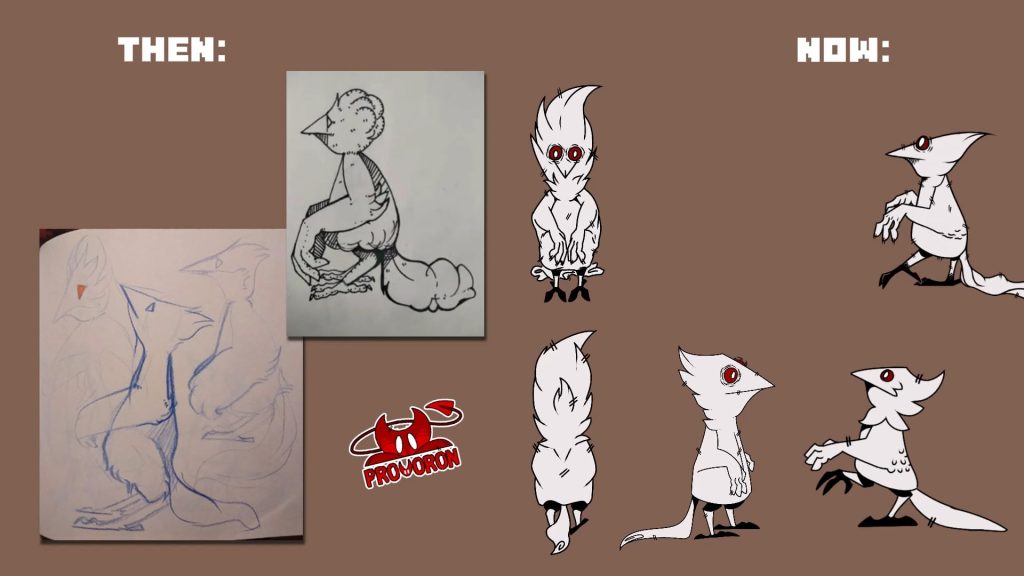
From Concept Art to In-Game Reality
The creation of in-game characters has long been a fascinating topic for gamers and developers alike, with the in-game character creation process being a crucial aspect of game development. From humble beginnings as simple concept art to the highly detailed, 3D models we see today, the evolution of in-game characters is a story of innovation and dedication.
The In-Game Character Creation Process: A Journey from Concept to Reality
Concept art has been a staple of game development for decades. Artists would sketch out rough ideas, using pencils, paper, and imagination to bring the world to life.
The Importance of Concept Art in In-Game Character Creation
The early days of in-game character creation were all about establishing the foundation of the game’s universe. This included designing characters, landscapes, and even props like furniture and vehicles.
Several key factors influenced the development of concept art during this period. These included:
- The artist’s personal style and vision
- The game’s genre and target audience
- The available resources and budget
These factors combined to shape the early days of in-game character creation, laying the groundwork for future innovations.
Key Challenges Faced by Early Concept Artists
Concept artists faced several challenges during this period. They had to balance creativity with practicality, as they were often working within tight deadlines and budgets. Additionally, they had to ensure that their designs aligned with the game’s overall vision.
This required a deep understanding of the game’s mechanics, story, and art style. It also demanded strong communication skills, as concept artists had to work closely with developers and other stakeholders to bring their ideas to life.
The Evolution of Concept Art: From 2D to 3D
As technology advanced, concept art began to shift from traditional 2D sketches to more detailed 3D models. This allowed artists to experiment with new techniques and push the boundaries of what was possible.
This transition marked a significant milestone in the evolution of in-game character creation, enabling developers to create more immersive and engaging worlds.
Advancements in Technology: Revolutionizing In-Game Character Creation
The advent of 3D modeling software revolutionized the way developers created in-game characters. Suddenly, artists could build complex models with intricate details, from facial expressions to clothing textures.
Key Features of Modern In-Game Character Creation
This new technology allowed for greater realism and immersion, drawing players into the game world like never before. Some key features of modern in-game character creation include:
- Facial recognition software for realistic facial expressions
- Physics-based simulations for dynamic character movements
- Advanced texture mapping techniques for detailed environments
The use of these advanced technologies has enabled developers to create characters that are more believable and engaging. This, in turn, has enhanced the overall gaming experience.
The Impact on Gamers: A New Era of Immersion
The evolution of in-game character creation has had a profound impact on the gaming experience as a whole. Players now have access to more immersive worlds, with characters that look and feel like real people.
This shift towards realism is not just about aesthetics; it’s also about storytelling. Developers can now create complex narratives, using characters to convey emotions and drive the plot forward.
For a deeper dive into the world of in-game character creation, check out our article on advanced game development techniques.