

Non-Memory: The Strike and Tech Trade-Offs Samsung's 600% Memory Edge vs 100%
Samsung's 600% memory boost and 100% non-memory model have sparked controversy. A looming strike adds pressure.
What does it all mean for users, rivals, and Samsung's future? Dig deeper. The specs don’t tell the whole story.
Quick Context
Key angle: Samsung memory bonuses vs, Samsung 600, Samsung 600 Memory and Samsung. This section gives the quick context before the deeper breakdown.
What the 600% Memory Boost Means for Performance
Samsung’s 600% memory bonus isn’t just a number. It’s a bet on RAM, storage, and future-proofing. 64GB DDR5? Triple the standard. But here’s the catch: what about the CPU? The GPU? Cooling? A system’s as strong as its weakest link. Samsung’s pushing memory, but if the rest of the hardware isn’t keeping up, it’s a recipe for frustration. The market’s split. Some see a win for data-heavy tasks. Others? They’re worried about the gaps.
Future-proofing? That’s the pitch. More memory = better for AI, gaming, editing. But a 64GB system with a mid-tier GPU? It’ll bottleneck. You can’t ignore the elephant in the room: balance. Competitors like Intel and AMD don’t just throw memory at problems. They build systems that work in harmony. Samsung’s approach? It feels like a gamble. One that could alienate users who want more than just speed.
The 100% Non-Memory Model: A Missed Opportunity?
Cooling systems? Standard. Nothing more. CPUs? Same. That’s the 100% non-memory model in a nutshell. Samsung’s not upgrading anything else. It’s like a car with a powerful engine but no brakes—useless on the road. Performance in multitasking? Great. Gaming? Not so much. Users are calling it out. Reddit threads are full of complaints. “Why invest in memory if the rest of the system can’t keep up?” That’s the question.
On the flip side, some users love it. Video editors, data scientists—they’re happy. But the average user? They’re stuck. A system that’s great for rendering but terrible for streaming? That’s not a win. Samsung’s strategy feels lopsided. It’s not a bad idea, but it’s not a complete solution. The market’s watching. Will it work? Or is it a misstep?
The Strike: Labor Tensions Add Fuel to the Fire
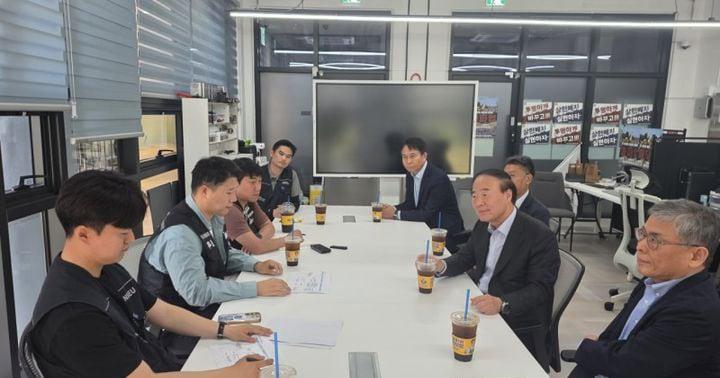
Meanwhile, a labor strike looms. Workers are upset. Wages? Conditions? They’re not happy. Consumers are worried. If the factory’s in chaos, will the products suffer? Will quality drop? Some users are already questioning Samsung’s reliability. Longtime fans? They’re nervous. They’ve come to expect excellence. A strike could hurt that reputation. It’s not just about the hardware anymore. It’s about the people making it.
But here’s the thing: Samsung’s not alone. Competitors like Intel and AMD are watching. They’re not just improving their own tech—they’re pointing out Samsung’s flaws. “Balanced systems matter,” Intel says. AMD adds, “We don’t just build better GPUs. We build better ecosystems.” Samsung’s gamble? It’s not foolproof. The strike and the market are both potential landmines.
Industry Reactions: A Mixed Bag of Praise and Criticism
A few analysts are cheering Samsung’s gamble. They see potential in the memory focus. But most? They’re wary. “Great for data tasks, but bad for gaming,” one review says. Another points out that the 100% non-memory model is a missed chance. Competitors aren’t just staying silent. Intel’s highlighting its holistic approach. AMD’s showing off its Ryzen and Radeon tech. They’re not just selling chips—they’re selling systems that work together. Samsung’s strategy? It’s not resonating with the industry. Yet.
Will it change? Maybe. But right now, the market’s skeptical. Samsung’s not the only one innovating. It’s not the only one building systems that work in harmony. The question is: will Samsung adapt? Or will it fall behind?
Consumer Perspectives: A Divide in Opinions
Users are split. Some love the 600% memory boost. Video editors, 3D modelers—they’re happy. But others? They’re frustrated. “I’d rather have a system that’s well-rounded,” one Reddit user says. They’re not wrong. A system that’s great at multitasking but terrible at gaming? That’s not a win for the average user. Samsung’s strategy feels like a gamble. One that could backfire.
The strike? That’s another concern. If the factory’s in chaos, will the products suffer? Some users are already worried. “Will quality drop?” they ask. Longtime fans? They’re nervous. They’ve come to expect excellence. A strike could hurt that reputation. It’s not just about the hardware anymore. It’s about the people making it. And if they’re unhappy, the brand might pay the price.
The Road Ahead: Balancing Innovation and Ethics
Samsung’s at a crossroads. It needs to fix the 100% non-memory model. It needs to address the strike. And it needs to show the market that it’s listening. Innovation without ethics? That’s a short-term win. But long-term, it’s a risk. The industry’s watching. The consumers are watching. The workers are watching. Samsung’s gamble? It’s not over. What happens next will define its legacy.
✅ Verdict
Samsung’s 600% memory boost is a high-risk play. The 100% non-memory model risks alienating users. Add a strike to the mix, and trust erodes. Performance fans might like the memory focus, but balance is missing. Long-term, this could backfire. Samsung’s future hinges on fixing both the tech and the people behind it.