The 96MB Cache: A big improvement or a Niche Feature?amd ryzen 7 9700X processor held against bright yellow background.” loading=”lazy”/>Photo via Pexels AMD’s Ryzen 7 7700X3D launched with a 96MB L3 cache – 3x the size of most mainstream CPUs. Early tests show mixed results. The hype meets reality in uneven ways. Quick Context
Key angle: AMD set Ryzen 7, aMD Unveils, aMD Unveils Ryzen and AMD. This section gives the quick context before the deeper breakdown.
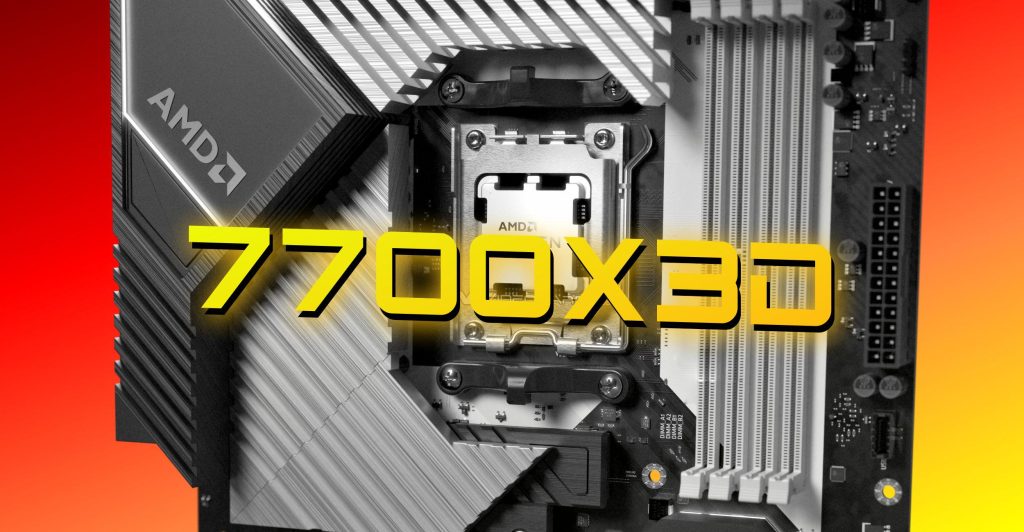
AMD set Ryzen 7, specifically the Ryzen 7 7700X3D, launched with a 96MB L3 cache – three times the size of most mainstream CPUs. Early testing has revealed a mixed bag of results, with the hype meeting reality in an uneven manner. This chip marks a bold departure from traditional CPU design, prioritizing cache size over core count. While it’s not the first Ryzen processor to feature 3D V-Cache technology, the 7700X3D’s 96MB cache is the largest ever seen on a consumer CPU. This move has sparked debates among gamers, creators, and tech enthusiasts about whether the trade-off is worth it. The 96MB L3 cache in the Ryzen 7 7700X3D is a significant leap forward in CPU architecture. This cache size is three times larger than what’s typically found in mainstream processors, which could lead to substantial performance gains in memory-intensive applications. However, the trade-off is a reduction in the number of cores, which may impact multi-threaded workloads. Early benchmarks suggest that the 7700X3D excels in single-threaded tasks but lags behind in scenarios that require heavy parallel processing. For example, in applications like video editing or 3D rendering, the 8-core design may struggle to match the performance of Intel’s 20-core i7-14700K. The 96MB Cache: A big improvement or a Niche Feature? The 96MB L3 cache in the Ryzen 7 7700X3D is a significant leap forward in CPU architecture. This cache size is three times larger than what’s typically found in mainstream processors, which could lead to substantial performance gains in memory-intensive applications. However, the trade-off is a reduction in the number of cores, which may impact multi-threaded workloads. Early benchmarks suggest that the 7700X3D excels in single-threaded tasks but lags behind in scenarios that require heavy parallel processing. For example, in applications like video editing or 3D rendering, the 8-core design may struggle to match the performance of Intel’s 20-core i7-14700K. AMD vs. Intel: Who’s on Top? The 7700X3D beats the i7-14700K in memory-heavy games. But the i7-14700K’s 20 cores crush it in productivity. It’s a split. Gamers? The 7700X3D wins. Creators? Not so much. It’s a pick for those who prioritize frame rates over multitasking. AMD set Ryzen 7’s 8-core design is a stark contrast to Intel’s 20-core approach, reflecting different design philosophies. This divergence could influence purchasing decisions for different user segments. For instance, gamers who prioritize high frame rates in titles like Cyberpunk 2077 or Fortnite may find the 7700X3D to be a compelling choice. However, content creators working on complex projects like 4K video editing or large-scale simulations may still prefer the i7-14700K for its superior multi-threaded performance. Limitations and Future Prospects
AMD set Ryzen 7’s 8-core limitation and lack of Zen 4 architecture are its most significant drawbacks. While the 96MB cache is impressive, it’s not a substitute for raw core power. However, the 7700X3D’s performance in memory-heavy games suggests that AMD is exploring new frontiers in CPU design. Future iterations of this technology could address these limitations, but for now, it’s a niche product. AMD set Ryzen 7’s success may depend on how well it resonates with gamers and creators who prioritize specific performance metrics. Also, the absence of Zen 4 architecture, which promises improved efficiency and performance, may limit the 7700X3D’s long-term appeal. However, if AMD continues to refine its 3D V-Cache technology, it could pave the way for more cache-optimized CPUs in the future. Future Prospects for AMD set Ryzen 7
Looking ahead, aMD set Ryzen 7’s 7700X3D could pave the way for more cache-optimized CPUs. If demand grows, aMD may expand this design philosophy to other product lines. However, the lack of Zen 4 and the 8-core limitation may hinder its appeal in the long term. AMD set Ryzen 7’s future will depend on how effectively it addresses these challenges and whether the market embraces its unique approach. Potential improvements could include integrating Zen 4 architecture, which would bring better power efficiency and performance, or increasing the core count to balance single-threaded and multi-threaded workloads. These developments could make the Ryzen 7 series more versatile for a broader range of users, from gamers to professionals. As the market continues to evolve, aMD’s focus on cache optimization may become a defining feature of its future processors. While the 7700X3D is currently a niche product, it represents a bold step in CPU design that could influence the industry for years to come. Whether this approach becomes mainstream or remains a specialized solution will depend on how well it meets the needs of different user segments and how effectively AMD can refine its technology in future iterations. ✅ Verdict
The 7700X3D excels in memory-heavy games but falters in multi-threaded tasks. It’s a niche choice for gamers, not a universal solution. 🔗 Related ArticlesForza Horizon 6 SteamDeck Optimization: Achieve Near-Infinite Frame Rates
amd locks ecc UDIMM Frequency on Ryzen 9000 Series
How ryzen saved amd from Bankruptcy: A Game-changing cpu
AMD Ryzen 9 9950X3D2: Dual 3D V-Cache CPU’s Power Play
AMD set Ryzen 7 7700X3D: A Bold Leap in CPU Design
AMD’s Ryzen 7 7700X3D launched with a 96MB L3 cache—3x the size of most mainstream CPUs. Early tests show mixed results. The hype meets reality in uneven ways.