


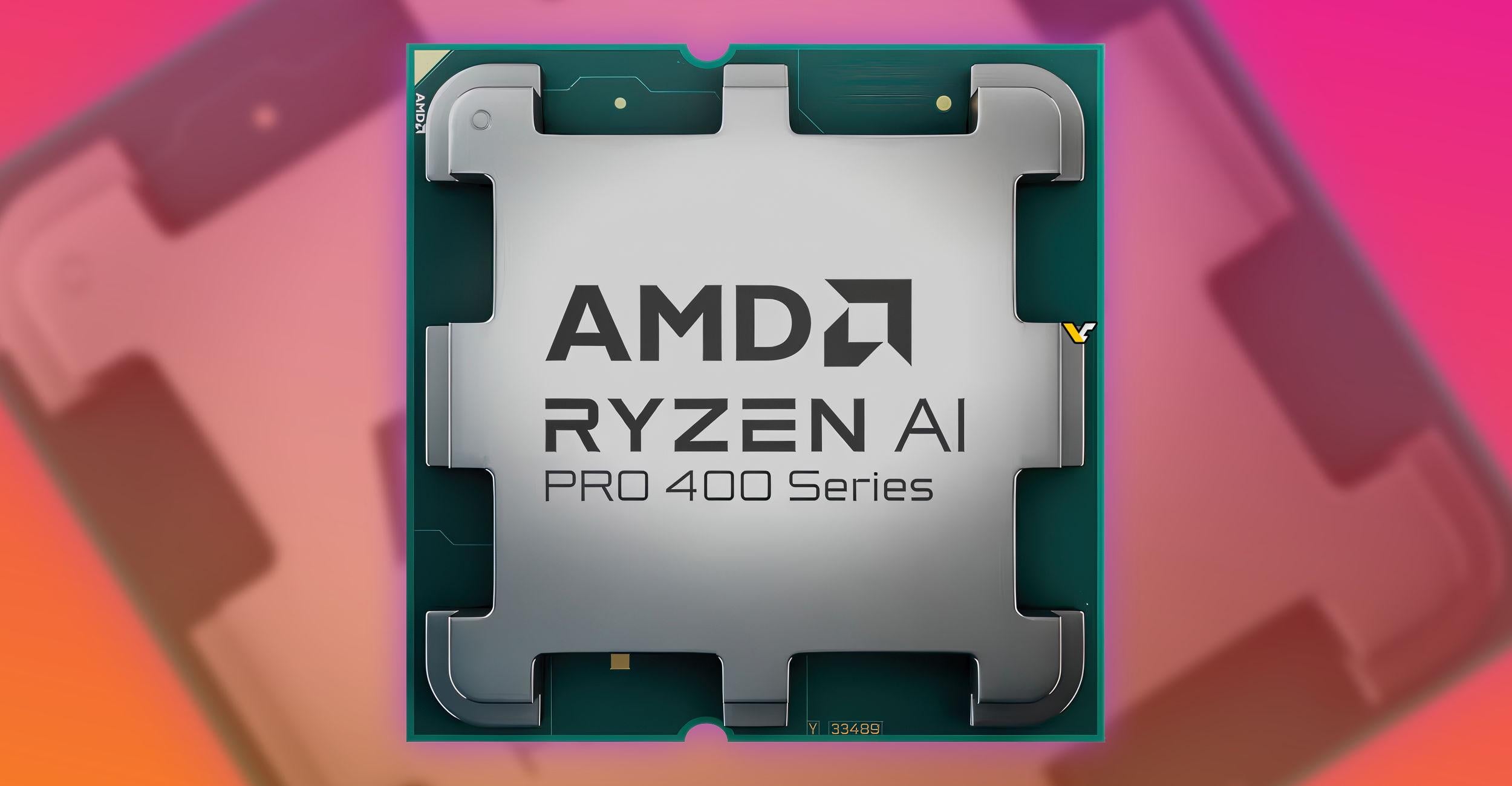
on Geekbench: Performance Close to 8600G amd ryzen AI 5 435G non-PRO
The AMD Ryzen AI 5 435G non-PRO has appeared on Geekbench, benchmarking near the Ryzen 5 8600G. Its presence raises questions about AMD’s positioning.
The chip’s metrics suggest a mid-range AI processor, potentially expanding AMD’s Ryzen AI 5 series into mainstream markets.
Quick Context
Key angle: AMD Ryzen AI 5, AMD Ryzen, AMD Ryzen 435G and AMD. This section gives the quick context before the deeper breakdown.
Related Posts:
Key Takeaways:
- The AMD Ryzen AI 5 435G is positioned as a mid-range AI processor.
- Benchmark results align closely with the Ryzen 5 8600G.
Key Details from the Benchmark
The AMD Ryzen AI 5 435G non-PRO’s performance on Geekbench highlights its capabilities in AI workloads. While it doesn’t surpass the Ryzen 5 8600G, it demonstrates a strong balance between power efficiency and computational performance. This makes it an attractive option for users seeking a cost-effective solution without compromising on AI capabilities.
Further analysis of the benchmark data reveals that the chip excels in single-core tasks, which are critical for real-time AI applications like voice recognition and image processing. However, multi-core performance is slightly lower, which could impact tasks requiring heavy parallel processing. This trade-off suggests the chip is optimized for specific use cases rather than general-purpose computing.
Geekbench Results: Ryzen AI 5 435G non-PRO Performance
Geekbench scores for the AMD Ryzen AI 5 435G non-PRO show a close match to the Ryzen 5 8600G, particularly in single-core and multi-core benchmarks. This suggests that the chip is optimized for tasks requiring both AI acceleration and general-purpose computing. The results also indicate that the AMD Ryzen AI 5 4355G is competitive in its price range, offering value for users who prioritize AI performance over raw computational power.
Notably, the chip’s efficiency in AI-specific workloads, such as natural language processing and machine learning inference, positions it as a strong contender for edge computing devices and embedded systems. However, its performance in traditional CPU tasks, like data compression and encryption, lags slightly behind the Ryzen 5 8600G, which may be a consideration for users with mixed workloads.
Implications for AMD’s Strategy
The AMD Ryzen AI 5 435G’s performance on Geekbench signals a strategic shift in AMD’s product lineup, emphasizing AI capabilities in mid-range processors. This move aligns with the growing demand for AI-powered devices in both consumer and enterprise markets. By targeting this niche, AMD aims to differentiate itself from competitors who focus primarily on traditional CPU performance.
However, the chip’s limitations in multi-core tasks may limit its appeal to users requiring high-performance computing. This highlights the need for AMD to balance AI optimization with broader computational capabilities in future iterations of the Ryzen AI series. [link to section on AI processor trends in 2024] could provide further insight into how this aligns with industry movements.
Market Positioning and Target Audience
The AMD Ryzen AI 5 435G is likely to appeal to users in sectors where AI performance is critical, such as education, healthcare, and small businesses. For example, educational institutions may leverage the chip’s capabilities in AI-driven tools for personalized learning, while healthcare providers could use it for diagnostic applications requiring real-time data processing.
Small businesses, particularly those in retail and logistics, may also benefit from the chip’s efficiency in AI-powered analytics and automation. However, users in industries requiring heavy computational workloads, such as engineering and scientific research, may find the Ryzen 5 8600G more suitable for their needs. [link to section on AI in enterprise computing] offers a deeper dive into this market’s potential.
Comparative Analysis and Future Outlook
While the AMD Ryzen AI 5 435G holds its own in AI-specific tasks, it faces stiff competition from other mid-range processors that offer a more balanced mix of AI and traditional computing performance. For instance, Intel’s latest Core series processors incorporate advanced AI features without sacrificing multi-core efficiency. This comparison underscores the importance of tailored use cases for the Ryzen AI 5 series.
Looking ahead, the success of the AMD Ryzen AI 5 435G will depend on its integration into devices that prioritize AI-driven applications. As demand for AI capabilities grows, AMD’s focus on this segment could solidify its position in the market. [link to section on AI processor adoption rates] provides context on current and projected trends.
Additional Considerations for Users
Users considering the AMD Ryzen AI 5 435G should evaluate their specific needs. For tasks like real-time language translation or object recognition, the chip’s single-core performance is a significant advantage. However, for applications requiring heavy data processing or multitasking, the Ryzen 5 8600G may still be the better choice. This distinction highlights the importance of aligning hardware capabilities with use cases.
As AI technology continues to evolve, the role of processors like the Ryzen AI 5 435G will become increasingly critical. Their ability to handle AI workloads efficiently could drive innovation in fields ranging from robotics to autonomous systems. This potential positions the Ryzen AI 5 series as a key player in the AI revolution.




One thought on “AMD Ryzen AI 5 435G on Geekbench: Close to 8600G Performance”
Comments are closed.