

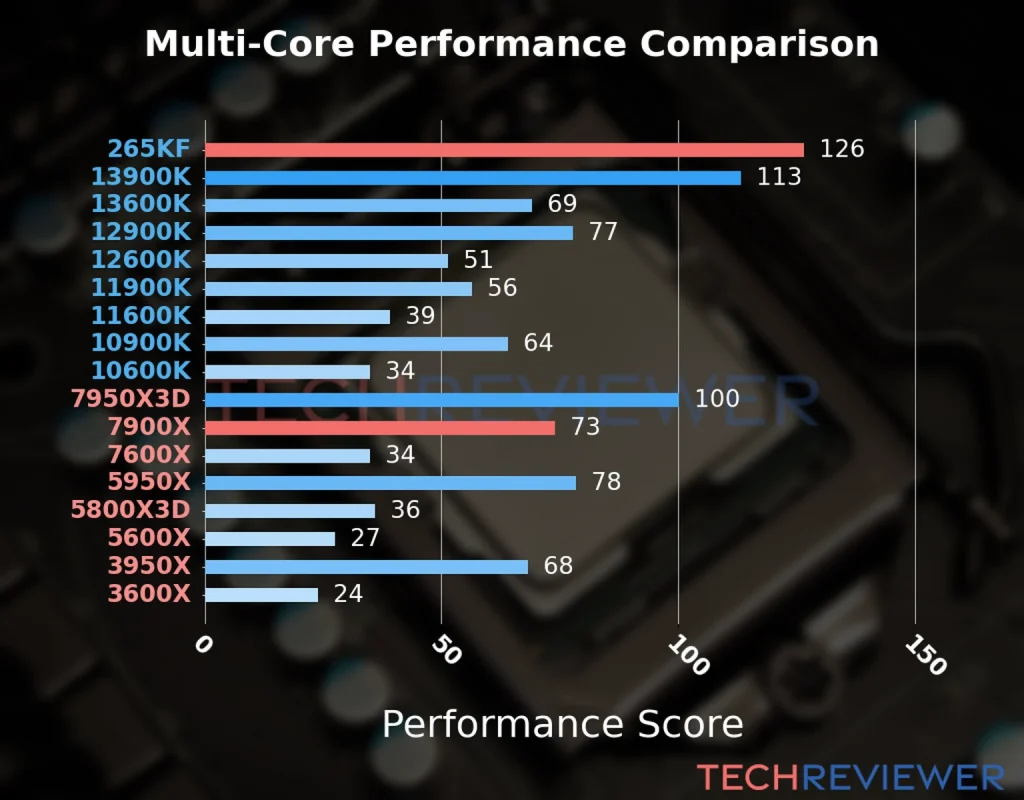
Pick the Intel Core Ultra 7 270K Plus if you care about raw 1080p gaming bang‑for‑buck and lower typical power draw; the Ryzen 9 7900X only wins on headline price, not on value. The Intel chip squeezes about 21 % more gaming performance per US dollar and matches the Ryzen’s performance‑per‑euro almost exactly, while drawing 45 W less at idle.
Why the price‑per‑performance math matters
If you’re a gaming‑centric shopper in the Balkans, you usually compare a CPU’s price to the frames it can push at 1080p. Intel Core Ultra 7 270K Plus scores 77.5 % of the fastest 1080p gaming CPU for US$ 290 (that’s the listed price), which works out to roughly 0.267 % per dollar. Ryzen 9 7900X reaches 69.2 % at US$ 313, about 0.221 % per dollar. That means Intel has a solid 21 % edge when you measure performance against the money you spend.
Euro‑price shoppers see the same pattern. The Ryzen is listed at €280.54, about 10 % cheaper than the €313.16 Intel part. Yet the performance‑per‑euro numbers are virtually identical (0.247 %/€ for Ryzen vs 0.248 %/€ for Intel). In practice, that lower sticker price doesn’t give you a better value proposition.
Raw specs at a glance
| Feature | Intel Core Ultra 7 270K Plus | AMD Ryzen 9 7900X |
|---|---|---|
| Architecture | Arrow Lake Refresh | Zen 4 |
| Cores / Threads | 24 / 24 (8+16) | 12 / 24 |
| 1080p Gaming Score | 77.5 % | 69.2 % |
| Base TDP | 125 W | 170 W |
| Peak Power | 250 W | 230 W |
| US Street Price | US$ 290 | US$ 313 |
| Euro Price (as of Oct 2026) | €313.16 | €280.54 |
Power draw and electricity cost
The Intel part’s 125 W base TDP is 45 W lower than the Ryzen’s 170 W. Because the CPU rarely hits its max rating in a typical gaming session, the Intel chip usually draws less power overall. Over a month of 4‑hour daily gaming, that difference can shave a few euros off the electricity bill (a non‑trivial factor for budget‑conscious gamers).
Both CPUs can spike higher than their base TDP. While Intel’s peak is 250 W, a touch above Ryzen’s 230 W, those spikes are short‑lived and don’t outweigh the lower steady‑state draw.
Platform cost beyond the CPU
Here’s the lowdown: Intel’s 24‑core layout (8 performance + 16 efficiency cores) means you’ll likely need a newer 600‑series motherboard, which can add €80‑€120 to the build. Meanwhile, the Ryzen 7900X sits on the AM5 platform; compatible B650 or X670 boards are often €70‑€110. The price gap between motherboards is small, so the overall platform cost stays within €400‑€450 for either choice when you factor in a mid‑range DDR5 kit. (The price gap is small.)
Quick take: If you already own an AM5 board, the Ryzen becomes the cheaper upgrade path. Starting from scratch, the Intel platform’s slightly higher motherboard price is offset by the better performance‑per‑dollar. (The Intel platform’s slightly higher motherboard price.)
Used market considerations
A note on used parts: Both chips appear on the second‑hand market, but the Intel part has nine listings versus six for the Ryzen (Intel, Ryzen). More listings usually mean better chances of finding a decent‑condition unit at a discount. However, keep an eye on warranty transferability, because Intel’s “Ultra” line often carries a shorter resale warranty than AMD’s “Ryzen” series. (More listings usually mean better chances.)
When to pick the Ryzen 9 7900X
- You already own an AM5 motherboard and want to avoid any extra board cost.
- Bottom line: Since your workload leans toward multi‑threaded productivity (video encoding, 3D rendering), the 12‑core, 24‑thread layout can still hold its own. (video encoding, 3D rendering)
- You find a reputable used unit for significantly less than €280.
When the Intel Core Ultra 7 270K Plus is the smarter buy
- You prioritize the highest possible 1080p gaming performance for each euro you spend.
- Consider this first. Lower typical power draw matters for you, either to keep electricity bills low or to stay within a modest PSU budget.
- You’re comfortable spending a bit more on a new motherboard to unlock the full core count.
What the data can’t tell you
I don’t have extra numbers to share. We don’t have real‑world measurements of how each CPU behaves under sustained loads with specific cooling solutions, and we don’t have pricing for regional taxes or import duties that can shift the euro price in the Balkans. (No data yet.) The performance scores are relative to the fastest 1080p CPU in the test set, not absolute frame rates, so exact FPS numbers will vary with your GPU, RAM speed, and game engine.
Bottom line for Balkan gamers
Here’s the bottom line. If you’re building a new 1080p gaming rig and you want the most frames per euro while keeping power bills modest, the Intel Core Ultra 7 270K Plus is the clear winner. The Ryzen 9 7900X only saves you about €30 on the sticker price, but that saving evaporates once you factor in its higher typical power draw and comparable performance‑per‑euro. Stick with Intel for pure gaming value; keep the Ryzen as a fallback if you already own an AM5 board (or spot a solid used deal).
You might also look elsewhere. For related budget‑CPU advice, check the guide on Intel Core i3 vs Ryzen 5 and the deep dive into Intel Arc B570 vs Radeon RX 7600 for GPU‑pairing ideas.