


The 2026 GPU Dilemma: Are Older GPUs Still a Good Buy?
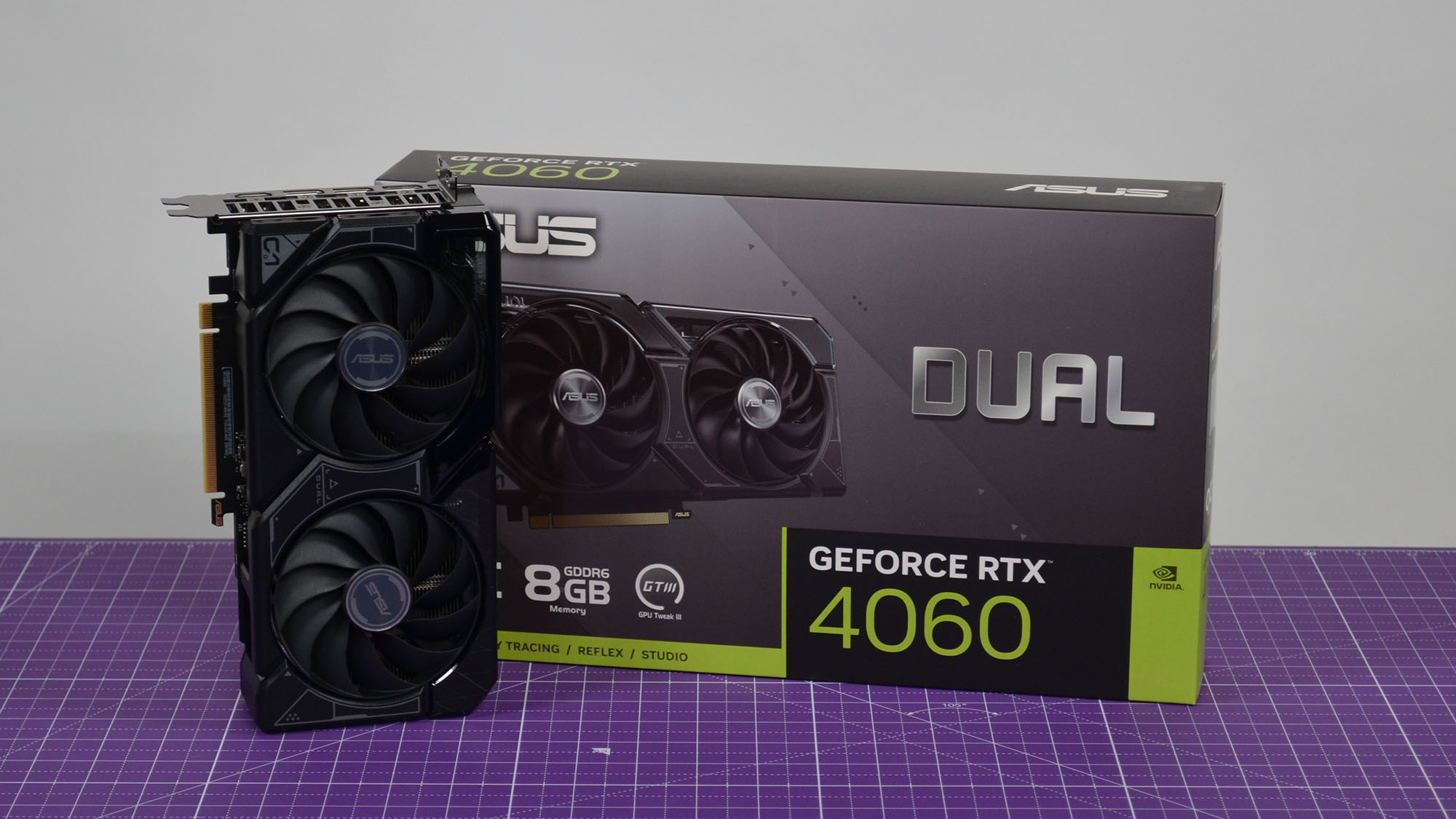
As 2026 approaches, the question of whether older GPUs still hold value for gamers is more relevant than ever. With newer models on the horizon, we’ll explore if upgrading now or sticking with older hardware is the smarter choice.
✅ Verdict
Verdict: Older GPUs can still be a cost-effective choice for casual gamers, but power users should consider newer models for future-proofing.
The 2026 GPU Dilemma: Are Older GPUs Still a Good Buy?
As 2026 approaches, the question of whether older GPUs still hold value for gamers is more relevant than ever. With newer models on the horizon, we’ll explore if upgrading now or sticking with older hardware is the smarter choice.
Performance and Game Requirements
Modern gaming demands more from hardware than ever before. titles like Horizon Forbidden West and Starfield push the limits of even high-end GPUs. For older GPUs, this means a significant drop in frame rates and graphical fidelity, especially at higher resolutions. However, many casual gamers find that older GPUs still deliver smooth performance in less demanding titles.
Performance in Specific Game Genres
Older GPUs tend to struggle with open-world and graphically intensive games but perform well in older or indie titles. For example, older GPUs like the NVIDIA GTX 1060 or AMD RX 570 can run games like Overwatch at 1080p with high settings, though they may require lowering resolution or detail levels for newer AAA titles.
Additionally, older GPUs are often more affordable, making them a viable option for budget-conscious gamers who prioritize cost over cutting-edge performance. However, users should be aware of potential limitations in multitasking and future-proofing.
For those interested in competitive gaming, older GPUs may not be the best choice. Games like Valorant or Apex Legends require high frame rates and low latency, which older GPUs may struggle to maintain consistently. This is particularly true when running these games alongside other applications, such as streaming software or browsers.
Cost vs. Value
When considering older GPUs, cost is a major factor. These cards are typically much cheaper than their newer counterparts, which can be a significant advantage for budget buyers. However, the trade-off is that older GPUs may not support the latest technologies, such as ray tracing or DLSS, which are now standard in many high-end games.
Another consideration is the lifespan of older GPUs. While they may last for several years, they are likely to become obsolete faster than newer models. This means that users who purchase older GPUs may need to upgrade sooner, potentially increasing long-term costs.
Long-Term Cost Considerations
For users who prioritize long-term value, investing in a newer GPU may be more cost-effective, even if the initial price is higher. Newer GPUs often offer better efficiency, longer lifespans, and support for future games and technologies. However, older GPUs remain a popular choice for those who want to maximize their budget without sacrificing too much in performance.
It’s also worth considering the energy efficiency of older GPUs. While they may be cheaper upfront, older cards often consume more power, leading to higher electricity bills over time. Newer GPUs, on the other hand, are designed with energy efficiency in mind, which can result in long-term savings.
Future-Proofing and Emerging Technologies
One of the biggest drawbacks of older GPUs is their limited compatibility with emerging technologies. For example, newer GPUs support features like ray tracing, AI upscaling, and higher refresh rates, which are not available on most older GPUs. This can limit the gaming experience, especially for users who want to stay ahead of the curve.
Additionally, older GPUs may not be compatible with the latest game engines or software updates. This can lead to performance issues or even incompatibility with certain titles. For users who want to future-proof their systems, investing in a newer GPU is often the best option.
Compatibility with Newer APIs and Features
Older GPUs may also struggle with newer APIs like Vulkan or DirectX 12, which are designed to optimize performance on modern hardware. While some older GPUs can still run these APIs, they may not deliver the same level of efficiency or performance as newer models. This can be a significant consideration for gamers who want to take full advantage of the latest software advancements.
Finally, older GPUs may not support the latest display technologies, such as 4K resolution or high refresh rate monitors. This can limit the potential of high-end displays, making them less appealing for users who want to maximize their hardware investment.
See our guide to budget gaming for more insights on optimizing performance without breaking the bank.
✅ Verdict
Verdict: Older GPUs can still be a viable option for casual gamers, but those seeking cutting-edge performance and longevity should consider newer models.

One thought on “Older GPUs in 2026: Are They Still a Good Buy?”
Comments are closed.